 Deep Enrich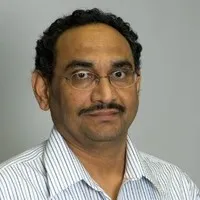
Ramesh Ray, Ph.D.
Lecturer in Microbiology/ Reader (Cell Biology)
 551 followers
 Memphis, Tennessee, United States
Connect with Ramesh Ray, Ph.D. to Send Message
Connect
Connect with Ramesh Ray, Ph.D. to Send Message
ConnectTimeline
About me
Senior Biological Safety Officer
Education

Sardar Patel University
1983 - 1986Doctor of Philosophy (Ph.D.) BiotechnologyActivities and Societies: PROFESSIONAL ORGANIZATIONS: • Society of Biological Chemists of India (1983-1986). • Association of Microbiologists of India 1. Member (1983-1993) 2. Secretary/Treasurer regional chapter (1984-1986 and 1989-1992). Sardar Patel University, INDIA B.S. 1979 MicrobiologySardar Patel University, INDIA M.S. 1981 MicrobiologySardar Patel University, INDIA Ph.D. 1986 Microbiology
Experience

Sardar Patel University
May 1984 - Jan 1993Lecturer in Microbiology/ Reader (Cell Biology)Research & Teaching:Research: Fermentation and bio-transformation. Immobilization of enzymes for the production of biochemicals.Teaching:Taught Microbial Physiology; Microbial Genetics; Cell and molecular Biology, Medical microbiology, Genetics of bacteria and viruses and Industrial Microbiology courses and respective laboratory courses for the postgraduate students (Sardar Patel University, India). Taught medical Laboratory Technology (MLT) courses at Mahagujarat Hospital (Nadiad, India). Assisted in accreditation of Mahagujarat hospital laboratory by Indian Medical council. Show less

University of Florida
Jan 1993 - Jan 1996Biological Scientistconducted research on 1) cloning and expression of Cellulase gene from methanogenic bacteria and 2) regulation of molybdate transport in E.coli.

University of Tennesse Health Science Center
Oct 1996 - Dec 2015Instructor/Assistant/Associate ProfessorContributions: • As Co-PI on NIH-funded grants for past 15 years, I have laid the foundation for the research in GI epithelial homeostasis. We delineated the molecular mechanism by which spermine regulates integrin-mediated signal transduction and dynamic remodeling of cytoskeleton organization necessary for cell migration during epithelial wound healing. I began investigating the role of polyamines in the gut homeostasis. At the time, it was generally believed that upon depletion of polyamines growth stops simply due to a decrease in the expression of oncogenes. However, we showed that polyamine depletion stimulated negative regulators of cell cycle like p21waf1 and p27kip1 to inhibit cell cycle and prevented cell death by stimulating anti-apoptotic signaling pathways. We deciphered the role of polyamines in the regulation of cell growth through the control of p53-mediated cycle regulators and their role in the apoptotic signaling cascade.We demonstrated the involvement of mTOR pathway in the regulation of AZ protein synthesis following spermidine-mediated +1 ribosomal frameshifting. Show less

The University of Tennessee Health Science Center
Aug 2017 - nowSenior Biological Safety Officer
Jul 2023 - nowInstitutional Biosafety Officer
Aug 2017 - now
Licenses & Certifications
- View certificate

Mindfulness Practices
LinkedInAug 2020
- View certificate
Microsoft Teams Essential Training
LinkedInAug 2020 - View certificate
Effective Listening
LinkedInAug 2021 - View certificate
Public Speaking Foundations
LinkedInSept 2020 - View certificate
Diversity, Inclusion, and Belonging
LinkedInAug 2020 - View certificate
Own Your Voice: Improve Presentations and Executive Presence
LinkedInOct 2020 - View certificate
Improving Your Listening Skills
LinkedInOct 2020 - View certificate
Learning OneDrive
LinkedInAug 2020 - View certificate
Difficult Conversations: Talking about Race at Work
LinkedInAug 2020
Languages
- enEnglish

- hiHindi

- guGujarati
Recommendations

Sabri elmansouri
Resident physician | MD, MPHChicago, Illinois, United States
Sharon wong
Final Year Law StudentLeeds, England, United Kingdom
Yogesh yadav
LTE | RAN | LINUX | CORE | Small Cell | KPIsMumbai, Maharashtra, India
Elca zejno
Operatore Assistenza SanitarioColle di Val d’Elsa, Tuscany, Italy
Kelly russell
Director, Entertainment Partnerships at FOXNew York City Metropolitan Area
Nehmat parmar
Industrial Engineering Intern @ United Airlines | Industrial Engineering at PurdueNorthville, Michigan, United States
Alfonso soler ariza
Backend DeveloperCórdoba, Andalusia, Spain
Regina espinas, cpa
Assistant Manager - Financial Analysis (Business Intelligence) at Kout Food GroupSalmiya, Hawalli, Kuwait
Pooja singh
Senior Manager at CapgeminiLondon, England, United Kingdom
Gurmail cheema
Senior Workshop and Technical Support Engineer TMSUnited Kingdom
Víctor franco
Fundador y Brand ManagerQuito, Pichincha, Ecuador
Sonali sakhare
Operations Manager at Amazon IndiaIndia
Laura contenti
Account ManagerGuatemala, Guatemala, Guatemala
Agnes meilina sinaga
Structural & Architectural PQuantitySurveyor | Helping Real Estate Business Owner in Project Managem...Sawangan, West Java, Indonesia
Michele lazzaroni pmp® cpim® cssmbb mba scrum manager
Operations Manager presso Stevanato GroupBrescia, Lombardy, Italy
Michael a. coleman
I specialize in helping businesses grow by providing the best customer experience possible.Elk Grove, California, United States
Ananda gurgel
Software Developer | C# | Javascript | HTML | CSS | AWS | UX DesignSão Paulo, São Paulo, Brazil
Carolyn inness
Dog Walker and Boarder, I come to youPaignton, England, United Kingdom
Onur bulut mutlu
MUTLU Danışmanlık - Bilişim'de Başarı Mimarisi - Co-Active Yürütücü Koç, Liderlik ve İş Geliştirme U...Istanbul, Türkiye
Ferdinand lazarte, cpe
Forensics Investigator @ Government of Republic of the Philippines | Cybersecurity Incident Response...Calabarzon, Philippines
...