 Deep Enrich
Louis DeForest
Maintenance Technician
 Fallbrook, California, United States
Connect with Louis DeForest to Send Message
Connect
Connect with Louis DeForest to Send Message
ConnectTimeline
About me
Senior Chief Petty Officer at USN
Education
Coastline Community College
2020 - 2023Working towards a degree Supervision and Management
Experience

South florida yachts
Jun 1997 - Jan 1999Maintenance Technician
HMY Yacht Sales
Jan 1999 - Jan 2001Maintenance TechnicianDouble Eagle
Jan 2000 - Apr 20021st Mate72’ Sunseeker
US Navy
Jun 2008 - nowLanding Craft Air Cushion (LCAC) Craftmaster Instructor has a range of responsibilities related to training and guiding personnel in operating LCACs. Duties include:1. **Instruction:** Providing classroom and hands-on instruction to trainees, teaching them the principles of LCAC operation, navigation, and safety protocols.2. **Technical Expertise:** Offering in-depth knowledge of LCAC systems, mechanics, and technology, ensuring trainees understand the technical aspects of the craft.3. **Simulation Training:** Supervising simulation exercises where trainees can practice operating LCACs in various scenarios, allowing them to develop their skills in a controlled environment.4. **Safety Oversight:** Emphasizing and enforcing safety protocols, both in the classroom and during practical training, to ensure the well-being of trainees and the proper use of equipment.5. **Performance Evaluation:** Assessing trainees' performance during training exercises, providing feedback, and identifying areas for improvement to help them develop their skills.6. **Curriculum Development:** Collaborating with other instructors and educational experts to develop training materials, lesson plans, and simulations that align with the latest LCAC technologies and Navy standards.7. **Mentoring:** Serving as a mentor to trainees, offering guidance and support as they progress through their training program and providing insight into the practical aspects of LCAC operation.8. **Operational Readiness:** Ensuring that trainees are prepared for real-world LCAC operations, emphasizing the importance of readiness, quick decision-making, and effective teamwork. Show less A Landing Craft Air Cushion (LCAC) Craftmaster in the U.S. Navy holds a critical position with significant responsibilities. Their main duties and responsibilities are:1. **Craft Operation:** LCAC Craftmasters are responsible for operating the LCAC, a high-speed landing craft capable of carrying heavy loads. They need to have expert knowledge of the craft's systems, navigation, and operation.2. **Crew Supervision:** Supervise the LCAC crew, ensuring that all team members understand their roles and responsibilities during operations and exercises.3. **Mission Planning:** Craftmasters participate in mission planning sessions, collaborating with other military personnel to ensure successful execution of landing operations. They understand the mission objectives and plan the LCAC's role accordingly.4. **Safety:** Safety is paramount. Craftmasters are responsible for the safety of the crew, the LCAC, and the equipment.5. **Maintenance:** Craftmasters oversee the maintenance and repair of the LCAC. They need to have a strong understanding of the craft's mechanical systems and work closely with maintenance crews to ensure procedural compliance.6. **Navigation:** They are responsible for navigating the LCAC. This requires a keen understanding of maritime navigation, including charts, GPS systems, and radar.7. **Communication:** LCAC Craftmasters maintain communication with other naval vessels, ground forces, and command centers. They relay vital information during operations and ensure effective coordination between different units.8. **Decision Making:** Craftmasters need to make quick and sound decisions, especially during high-stress situations or adverse weather conditions. Their judgment is crucial for the success and safety of landing operations.10. **Adaptability:** They must be adaptable and able to handle unexpected challenges. LCAC operations can occur in various environments, so Craftmasters need to adjust their strategies and tactics accordingly. Show less USN Hull Technicians perform duties related to the maintenance, repair, and welding of the ship's structure. Responsibilities include:1. **Welding and Metal Work:** HTs are skilled welders who work with various types of metal to repair and fabricate structures on Naval vessels.2. **Damage Control:** HTs play a critical role in damage control efforts during emergencies such as fires, floods, or battle damage. They repair damaged structures to ensure the ship's integrity and safety.3. **Hull Maintenance and Repair:** HTs are responsible for the maintenance and repair of the ship's hull, including the outer structure, bulkheads, decks, and tanks. They conduct inspections and make necessary repairs to prevent corrosion and maintain the ship's seaworthiness.4. **Sheet Metal Fabrication:** HTs work with sheet metal to create various components used in ship construction and repair. They cut, shape, and assemble sheet metal parts for ventilation systems, hatches, and other shipboard fixtures.5. **Pipefitting:** HTs install and repair pipes and fixtures for various ship systems, including water, steam, hydraulic, and drainage systems. They are responsible for ensuring these systems function properly.6. **Painting and Preservation:** HTs are involved in the painting and preservation of the ship's surfaces. They use specialized coatings and techniques to protect the ship from corrosion and environmental damage.7. **Supervision and Training:** Experienced HTs may supervise junior personnel and provide training to ensure that proper procedures and safety protocols are followed.8. **Emergency Repairs:** During underway operations, HTs are prepared to conduct emergency repairs to keep the ship operational, collaborating closely with other engineering and repair teams.HTs are essential in maintaining the structural integrity and overall operational readiness of Navy ships, ensuring they are safe, seaworthy, and capable of fulfilling their missions. Show less LCAC (Landing Craft Air Cushion) engineers have various important duties related to the operation and maintenance of LCACs, which are amphibious vehicles used by the United States Navy and Marine Corps. Responsibilities include:1. **Maintenance and Repair:** LCAC engineers are responsible for the regular maintenance and repair of LCAC, ensuring they are in proper working condition.2. **Troubleshooting:** They diagnose and troubleshoot technical issues that arise during the operation of the LCACs, identifying problems and implementing solutions to keep the vessels operational.3. **Operational Support:** LCAC engineers support LCAC operations by ensuring that the vessels are prepared and ready for deployment. They may assist in loading and unloading cargo and personnel onto/from the LCACs.4. **Training:** They provide training to LCAC operators on vessel maintenance procedures, safety protocols, and emergency response measures.5. **Documentation:** Engineers maintain detailed records of maintenance activities, repairs, and inspections. Proper documentation is crucial for tracking the vessel’s condition and ensuring compliance with regulations.6. **Safety Compliance:** LCAC engineers adhere to safety protocols and guidelines to prevent accidents and ensure the well-being of the crew and passengers. They may conduct safety inspections and implement necessary improvements.7. **Communication:** Engineers collaborate with other team members, including LCAC operators and military personnel, to coordinate activities, report issues, and ensure smooth operations.8. **Upgrades and Modifications:** LCAC engineers may be involved in the installation of upgrades or modifications to enhance the vehicle's performance, safety, or other capabilities.9. **Environmental Compliance:** They ensure that the operation and maintenance of LCACs comply with environmental regulations, including proper disposal of hazardous materials and waste. Show less
Senior Chief Petty Officer
May 2023 - nowSenior Instructor
May 2023 - nowUSN Hovercraft Pilot
Apr 2019 - nowHull technician
Apr 2002 - Feb 2024USN Hovercraft Engineer
Jun 2008 - Apr 2019
Mustang Sportfishing
Jun 2022 - nowCo CaptainUSCG 100 Ton Master

SIX MARITIME
Oct 2023 - Nov 2023Boat Captain100Ton master, Providing Maritime safety and security for US Military operations.
Licenses & Certifications
Rescue Diver
PADIJan 2004
Industrial Maintenance Mechanic Journeyman’s
USMAPS D-FACJul 2021Combination Welder Journeymens license
USMAPS D-FACDec 2022
Master Trainer
US NavyMay 2016Instructor
US NavyJul 2015Advanced welder
US NavyAug 2003Lean Six Sigma Green Belt (ICGB)
US NavyJan 2016
100 Ton Master w/ commercial towing endorsement
U.S. Coast GuardMar 2018Lean Six Sigma Yellow Belt (ICYB)
US NavyJan 2016
Recommendations

Sathyanarayana sr
Assistant Director at EYBengaluru, Karnataka, India
Sarah waclo
Sarah Waclo York,PaYork, Pennsylvania, United States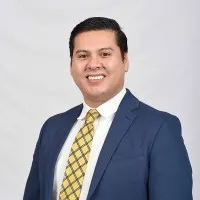
Hector prieto p.e.
Roadway EngineerDallas, Texas, United States
董小兵
Principal Engineer at HITACHI EnergyChaoyang District, Beijing, China
Marcela pacheco
Project Manager @ Rockland Immunochemicals, Inc. | Antibody DevelopmentGreater Philadelphia
Paige spalding
Senior Vice President, Wealth Management AdvisorBillings, Montana, United States
Elen barkhudaryan
Chief Executive Officer, Attorney at LawYerevan, Yerevan, Armenia
Kelly skalsky
Senior Paralegal at Biztech LawyersGreater Richmond Region
Maryam saiful
Sr Project Engineer at BayWa r.e. APACSungai Buloh, Selangor, Malaysia
İbrahim mert çapacı
Eczacibasi IT şirketinde Cloud Technologies Platform OwnerIstanbul, Türkiye
Benita pérez parreño
International Project Manager | Cooperation in International Higher EducationGreater Valencia Metropolitan Area
Vikram rathore
Regional soft skill mentor at Narayana GroupChennai, Tamil Nadu, India
Ankita mandal
Billing Manager at Tata Projects || Ex Commercial and Planning Engineer at ITD Cementation India Ltd...New Delhi, Delhi, India
Lance cullen
Business Development Manager - New Markets at Haartz CorporationUnited States
Dorcas ragudo
Certified Industrial Engineer | CLSSYB | Corporate Internal Auditor at Universal Robina Corporation ...National Capital Region, Philippines
Armel merveille saoundé
Consultant chez Adjuvoo détaché chez IDEX GROUPBoulogne-Billancourt, Île-de-France, France
Srujana joshi
Bioengineering PhD Student | Crafting Future Cardiovascular SolutionsAtlanta, Georgia, United States
Ruchira pednekar
Software Developer | Angular | Nodejs | PythonMumbai, Maharashtra, India
Willy rusamegevanon
BSc Business Analytics student at UvA, Student Ambassador Business Analytics, Committee Treasurer at...Amsterdam, North Holland, Netherlands
Alimuddin sodding, st, cmrp, cmm
Maintenance Management, Plant Engineering & Reliability ProfessionalJakarta Metropolitan Area
...